

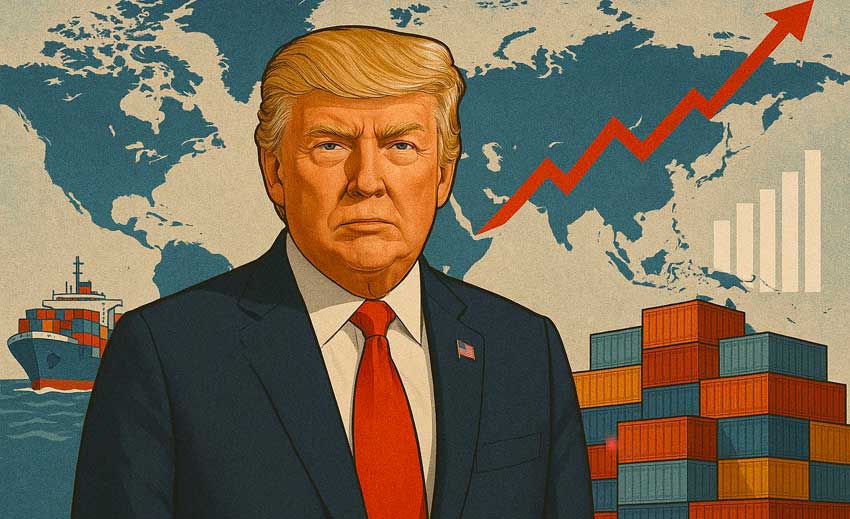
Welcome to the real world, Mister Donald Trump! Anche per l’uomo più potente del pianeta arriva il momento in cui i dati dell’economia reale (aspettando quelli dell’economia finanziaria) presentano il conto da saldare.
1)Dalla cabina dell’Air Force One, Donald Trump è stato costretto ad annunciare una clamorosa riduzione dei dazi su una serie di materie prime non prodotte negli Stati Uniti in quantità sufficiente (carne bovina, pomodori, banane, caffè, ananas, noci). Era prevedibile: poiché la produzione domestica non copre la domanda interna, i dazi si sono trasformati in un aumento dei prezzi per i consumatori Usa (inflazione) o in una compressione dei margini per distributori e venditori americani (frenata del Pil). Credo che non sarà l’unica marcia indietro cui Trump sarà costretto. Non è una gran consolazione: i danni al commercio internazionale ed alla stabilità del sistema sono già stati fatti. Come conseguenza, il dollaro non è più la valuta di riferimento mondiale.
2)l’inflazione americana. Anche a causa dei dazi e della loro semplice aspettativa, l’inflazione resta più alta delle previsioni formulate a inizio anno. Per questo motivo la Federal Reserve potrebbe non procedere con una riduzione dei tassi nella riunione di dicembre, come invece sembrava scontato. Che il taglio arrivi o no, il semplice aumento dell’incertezza fa male all’economia reale.
3)il dollaro si è svalutato di oltre l’11% contro le principali valute dall’inizio dell’anno. Apparentemente ciò favorisce le esportazioni americane, ma in realtà impoverisce gli americani e maschera le inefficienze del sistema produttivo USA (fortissimo nell’hi-tech, nei servizi e nella finanza, poco competitivo nella manifattura). Noi italiani conosciamo bene il meccanismo: per decenni (dagli anni 70 fino a Maastricht) abbiamo usato la svalutazione “competitiva” della lira per illuderci di essere ancora efficienti dopo gli anni straordinari del boom economico, freezando il nostro sistema produttivo, tutt’oggi in affanno tecnologico.
4)il Pil ereditato da “Sleeping Joe” segnava nel 2024 una crescita del 2,8%, le stime per il 2025 indicano un rallentamento verso il 2%.
Tutto il contrario di quanto preannunciato.
* Economista
Welcome to the real world, Mr. Donald Trump! Even for the most powerful man on the planet, there comes a time when the real economic data (awaiting the financial economy) presents the bill to be paid.
1) From the cockpit of Air Force One, Donald Trump was forced to announce a dramatic reduction in tariffs on a series of raw materials not produced in sufficient quantities in the United States (beef, tomatoes, bananas, coffee, pineapples, nuts). It was predictable: since domestic production does not meet domestic demand, the tariffs have resulted in price increases for US consumers (inflation) or margin squeezes for American distributors and retailers (slowing GDP). I believe this will not be the only step Trump will be forced to take. This is little consolation: the damage to international trade and the stability of the system has already been done. As a result, the dollar is no longer the world’s reference currency .
2) US inflation . Partly due to tariffs and the mere expectation of them, inflation remains higher than forecast at the beginning of the year. For this reason, the Federal Reserve may not proceed with a rate cut at its December meeting, as seemed expected. Whether the cut comes or not, the mere increase in uncertainty is harmful to the real economy.
3) The dollar has devalued by more than 11% against major currencies since the beginning of the year. This apparently benefits American exports, but in reality it impoverishes Americans and masks the inefficiencies of the US production system (very strong in high-tech, services, and finance, but uncompetitive in manufacturing). We Italians know the mechanism well: for decades (from the 1970s until Maastricht), we used the “competitive” devaluation of the lira to delude ourselves into thinking we were still efficient after the extraordinary years of the economic boom, freezing our production system, which is still struggling technologically today.
4) the GDP inherited from “Sleeping Joe” marked a growth of 2.8% in 2024, the estimates for 2025 indicate a slowdown towards 2%.
The exact opposite of what was predicted.
* Economist